Understanding Glaucoma: Risk Factors, Symptoms, and Treatment Options
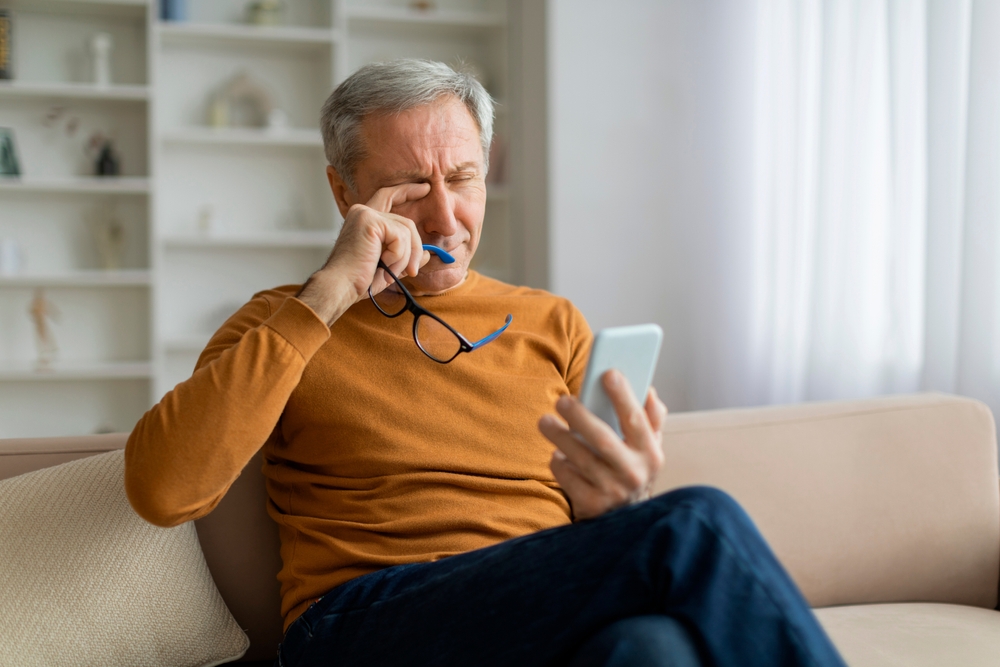
One of the main causes of blindness is a condition called glaucoma. This condition often develops without warning, causing vision loss before symptoms appear. While this is concerning, early detection and treatment can almost always manage the condition.
Glaucoma is like a silent drip behind a wall. You do not see the water or hear it. But over time, the damage builds. In the eye, this “drip” is often caused by rising internal pressure.
Elevated eye pressure can gradually damage the optic nerve. Once this nerve is damaged, vision loss is permanent. Early detection is critical to prevent irreversible loss.
Who Is at Risk?
Anyone can develop glaucoma, but certain individuals are more at risk. Understanding these factors helps you and your eye doctor remain vigilant.
Age: The more you approach and go beyond the age of 60, the higher your chances are of developing this condition.
Family History: If a parent or sibling has glaucoma, your risk is much higher.
Heritage: People of African, Asian, and Hispanic heritage face a greater risk.
Medical History: High eye pressure, severe nearsightedness, previous eye injuries, and conditions such as diabetes or high blood pressure increase your risk.
The Silent Symptoms (and the Rare Loud One)
Open-angle glaucoma, the most common type, has no early symptoms. There is no pain or blurry vision. Peripheral vision gradually narrows, often going unnoticed until significant loss occurs. Regular, dilated eye exams are essential, allowing your doctor to assess the optic nerve and measure eye pressure before vision is affected.
Angle-closure glaucoma is much less common but constitutes a medical emergency. Symptoms develop rapidly and may include severe eye pain, headache, or seeing rainbow-colored halos around lights. It may also include sudden blurry vision and nausea.
Your Path to Clear Management
A glaucoma diagnosis should not cause you distress; just remain calm. It is possible to manage the situation and live a comfortable life. Treatment is always geared towards lowering eye pressure and preventing further optic nerve damage. While lost vision cannot be restored, remaining vision can be preserved.
Your doctor will begin treating the condition through the following options:
Prescription Eye Drops: Often the first step, these drops lower eye pressure and must be used daily as prescribed.
Laser Treatment: This quick, in-office procedure improves fluid drainage from the eye. It is often effective and may reduce or eliminate the need for drops.
Surgery: If other treatments are not enough, several surgical procedures can create a new drainage pathway for the eye fluid.
Starting treatment can feel overwhelming. It is normal to have questions about costs, routines, or side effects. A good eye care team will listen and help you find a plan that fits your life. The treatment is almost always successful in preventing further vision loss.
While glaucoma should not be feared, it must not be ignored. Regular, comprehensive eye exams, especially for those with risk factors, are essential for protecting your vision. Discuss any concerns with your eye doctor. Prioritizing eye health is vital for preserving lifelong vision.
For more information about glaucoma, visit Pinnacle Eye Group of Lambertville in Lambertville, Michigan. Call (734) 562-0099 to schedule an appointment.
https://www.aao.org/eye-health/diseases/what-is-glaucoma
https://my.clevelandclinic.org/health/diseases/4212-glaucoma


Interested in our
Services?
Request an appointment with this form to schedule a time with our professional staff!
Phone: (734) 854-3937
Fax: 734-854-5868
- Monday8:30 am - 5:00 pm
- Tuesday8:30 am - 5:00 pm
- Wednesday10:00 am - 7:00 pm
- Thursday8:30 am - 5:00 pm
- Friday7:30 am - 4:00 pm
- SaturdayClosed
- SundayClosed
Powered by: